 By Santosh Kumar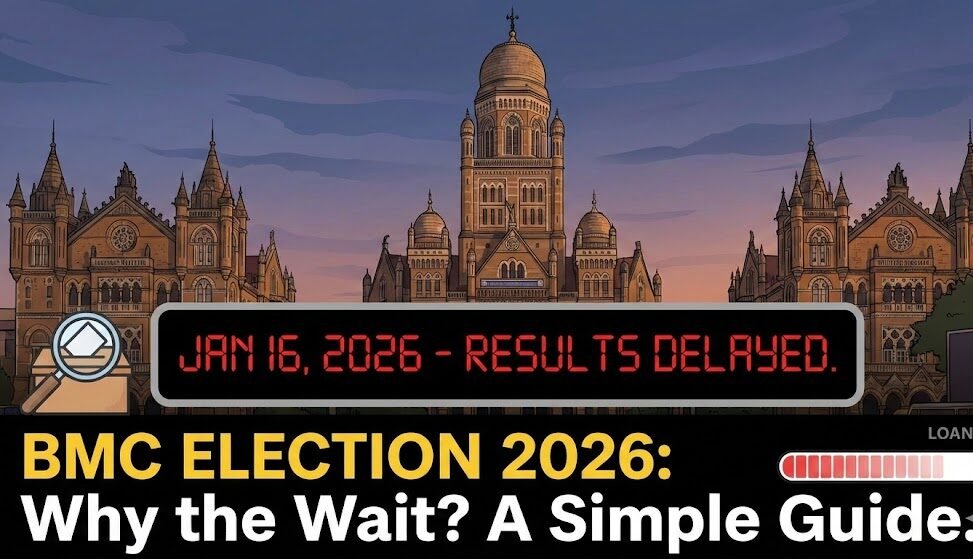
The buzz in Mumbai this week has been all about the Brihanmumbai Municipal Corporation (BMC) election results. With 227 wards, more than 10,000 polling stations, and 1,700 candidates, the city’s civic showdown is massive. Yet, many residents have heard that the final numbers might not be announced until later on Friday, January 16, 2026.
If you’re wondering why the count is taking longer than usual, this article breaks it down in plain language, adds real‑world examples, and offers tips on what to expect. We’ll also share handy resources, answer common questions, and finish with a clear takeaway.
- Date of polling: January 15, 2026
- Number of wards: 227
- Polling booths: 10,231 across the metropolis
- Candidates in the fray: roughly 1,700
Mumbaikars turned out in record numbers, casting votes for corporators, mayoral aspirants, and other local representatives. The turnout itself isn’t unusual, but the counting process has changed, and that’s why the headline “results may be delayed” is popping up on news feeds and social media.
In previous BMC elections, each Returning Officer (RO) was responsible for tallying all the corporator wards within his or her jurisdiction. An RO typically oversaw about 10 wards (the exact number varied a bit).
What this meant for voters:
- All the wards under a single RO were counted simultaneously.
- Once the counting was complete, the results for every ward under that RO were released together.
- Because the ROs worked in parallel, the overall result for the city could be announced relatively quickly, often within a few hours after the polls closed.
Think of it like a kitchen where each chef prepares an entire meal at once – the dish is ready for the whole table at the same time.
For the 2026 civic election, the Election Commission introduced a phased counting system. Here’s how it unfolds:
| Step | Action by Returning Officer |
|---|---|
| 1 | Count the first two corporator wards under their jurisdiction. |
| 2 | Announce the results for those two wards as soon as counting finishes (usually after 1.5–2 hours). |
| 3 | Move on to the next two wards, repeat the counting and announcement cycle. |
| 4 | Continue this 2‑ward‑at‑a‑time rhythm until all ~10 wards are processed. |
- Transparency: Releasing early results for a few wards builds public confidence that the count is proceeding correctly.
- Error‑catching: If a discrepancy shows up early, officials have more time to investigate before the final tallies.
- Operational balance: With 23 ROs handling 227 wards, the new method spreads workload more evenly across the day.
Imagine you have a stack of 20 envelopes you need to open and read. Instead of opening them all at once, you decide to open two at a time, note the contents, then move on to the next pair. You’ll learn a bit sooner about the first two, but you’ll finish the whole stack later than if you’d opened them all together.
Because each RO will count four pairs of wards (roughly 8–10 wards total), the overall process stretches across several counting windows:
- First window (2 wards per RO): Results for the first 46 wards (2 per RO × 23 ROs) may be announced by early afternoon.
- Second window (next 2 wards): Another batch of results will follow 1.5–2 hours later.
- Final windows: The last two or three pairs of wards will be counted late in the evening, pushing the city‑wide summary into the night or even the next day.
Consequently, while you’ll see partial results early on, the complete picture for all 227 wards could be delayed until late Friday night or early Saturday morning.
- Check reputable live‑update portals rather than relying solely on social media rumors. Official BMC or Election Commission websites usually post results as soon as each batch is cleared.
- Stay patient with early numbers. The first two wards per RO are often in different parts of the city, so they don’t reflect the overall trend.
- Watch for “final certification” announcements. Even after numbers appear, the Election Commission may need a short verification window before declaring the results final.
- Use the delay to verify your own polling booth’s count if you’re curious. Many civic groups maintain spreadsheets where you can match your booth’s serial number with the released tallies.
The phased counting model is a pilot for several upcoming municipal elections across Maharashtra. If it proves to enhance transparency and reduce post‑count disputes, we could see it rolled out for:
- State Legislative Assembly elections
- Local council polls in other major cities like Pune and Nagpur
In the age of instant information, giving voters bite‑sized updates while still preserving the integrity of the final result is a delicate balance. The BMC experiment may become a template for other jurisdictions seeking that equilibrium.
Below is a quick reference table with resources that can help you stay updated and engaged.
| Resource | Description | Action |
|---|---|---|
| BMC Official Results Portal | Live tally of ward‑wise results, updated as each RO finishes a counting batch. | Visit Site |
| WhatsApp Channel | Join our official updates channel | Join Now |
- Counting method changed from “all‑at‑once” to a two‑ward‑per‑round system.
- First results for about 46 wards will appear early, but full results for all 227 wards may take until late Friday or early Saturday.
- Transparency is the main goal: early numbers keep the public informed, while staggered counting allows officials to catch errors sooner.
- Stay updated via official portals, reputable news outlets, and the WhatsApp channel listed above.
The 2026 BMC election is a landmark moment for Mumbai’s civic governance, not only because of the sheer scale—over 10,000 polling stations and 1,700 hopeful candidates—but also because of the innovative counting method being tested. While the phased approach may cause a temporary delay in the final result announcement, it brings benefits that could reshape how Indian municipal elections are reported in the future.
As a voter, your best strategy is to stay patient, stay informed, and trust that each counting round is being handled with the same rigor as before—just a little more transparently. Keep an eye on the live result portals, join the WhatsApp updates for instant notifications, and you’ll know exactly when your ward’s numbers are declared.
1️⃣ Will the new counting system affect the overall winner?
No. The change only alters when results appear, not how votes are tallied. The total votes for each candidate remain the same, and the final winner will be the candidate with the highest count across all wards.
2️⃣ What happens if a discrepancy is found in the early rounds?
If an RO spots an inconsistency (e.g., mismatched ballot totals), they can pause the count, request a recount for that pair of wards, and inform the Election Commission. This is one reason the phased approach can actually speed up issue resolution, because problems surface early rather than at the end.
3️⃣ Can I track the result for my specific ward in real time?
Yes. Most live‑update platforms provide a filter where you can enter your ward number. Keep an eye on the “first two wards” list; if your ward is among them, you’ll see the result sooner.
4️⃣ Will the delay cause any legal challenges?
Delays themselves rarely spark lawsuits. However, if a party believes the counting process was irregular, they can file a petition within a prescribed period after the final declaration. The phased system is designed to reduce such challenges by making the process more transparent.